
If you’re deciding between the Vivo T3x and the Realme Narzo 70 Pro and photography is a priority, this deep-dive will cut through marketing buzz and show you exactly where each phone’s camera shines — and where it doesn’t. I’ll walk you through specs, real-world behavior (daylight, low-light, portrait, ultrawide, selfies, and video), plus practical shooting tips and a clear recommendation at the end. Sources for specs and reviews are cited inline so you can check details.
Quick snapshot (TL;DR)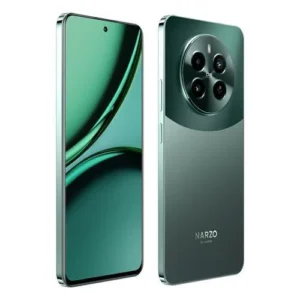
-
Realme Narzo 70 Pro — more camera hardware and stabilization: flagship-class primary sensor (Sony IMX890) with OIS, extra ultra-wide, 16MP selfie, and stronger imaging software for low light. Great for photos with fewer compromises.
-
Vivo T3x — simple, competent shooter for everyday snaps: 50MP main + 2MP depth, 8MP selfie. Good in daylight, weaker in low light and lacks the ultrawide / OIS advantages. Better battery life (so more shooting time).
Head-to-head camera specs (concise table)
| Feature | Realme Narzo 70 Pro | Vivo T3x |
|---|---|---|
| Main sensor | 50 MP Sony IMX890 (largest sensor in segment), OIS | 50 MP main (generic sensor), no OIS (uses 2MP depth as secondary) . |
| Secondary rear cameras | 8 MP ultrawide + 2 MP macro | 2 MP depth sensor |
| Front (selfie) | 16 MP | 8 MP. |
| Video | 4K recording likely supported, hardware OIS helps stabilize | 4K support listed for some versions, but stabilization limited; 4K on 8GB variant note. |
| Night mode & algorithm | Advanced night algorithms + larger sensor + OIS for longer exposures | Night mode present but limited dynamic range and noise control compared to Narzo. |
| Display / preview aiding shots | 120Hz AMOLED, high peak brightness (helps framing in sunlight) | Large LCD — fine, but not as contrasty as AMOLED for previewing photos. |

Notes: the Narzo’s Sony IMX890 + OIS is the single biggest differentiator — larger sensor + stabilization yields better low-light performance and cleaner images with more detail. Vivo’s T3x targets budgets where mileage, battery and basic photography matter more than premium camera hardware.
How they behave in real shooting situations
1) Daylight (bright outdoor)
-
Realme Narzo 70 Pro: produces punchy, high-detail images with good dynamic range. The ultrawide is useful for landscapes/architecture and maintains color balance close to main cam. OIS doesn’t matter much in bright light, but images have cleaner edges and less aggressive sharpening.
-
Vivo T3x: capable daylight shots; colors trend a little warmer and sharpening can mask some fine detail. Lacks ultrawide, so framing options are more limited. Best for casual social media shots.
Takeaway: Both are fine in daylight, Narzo 70 Pro wins on versatility and resolving fine detail.
2) Low light / night photography
-
Realme Narzo 70 Pro: larger sensor + OIS + Realme’s night algorithms = brighter, less noisy night shots with better preserved shadow detail. OIS lets the phone take slightly longer exposures without blur. Excellent choice if you shoot at bars, street scenes, or indoors.
-
Vivo T3x: night mode exists, but results show higher noise and lower dynamic range; shadows get crushed and highlights are less controlled. Good enough for casual posts, not for demanding low-light photography.
Takeaway: Narzo 70 Pro has a meaningful advantage for night photography.
3) Portraits & subject separation
-
Realme Narzo 70 Pro: uses sensor size and software to produce natural-looking bokeh and more accurate edge detection — ultrawide presence helps when you want environmental portraits.
-
Vivo T3x: uses a 2MP depth sensor for background blur; decent for quick portraits but edges can be less precise and subject detail slightly softer.
Takeaway: Realme gives more natural portraits; Vivo is acceptable for casual portraits.
4) Ultrawide & macro
-
Realme Narzo 70 Pro: includes an 8MP ultrawide that’s useful and reasonably color-matched. Also includes a 2MP macro (common for its class).
-
Vivo T3x: does not have an ultrawide — only a 2MP depth sensor paired with the 50MP main. That limits creative framing.
Takeaway: If you value ultrawide shots, Narzo 70 Pro is the clear choice.
5) Selfies
-
Realme Narzo 70 Pro: 16MP selfie camera — higher resolution, typically more detail and better skin tone handling.
-
Vivo T3x: 8MP selfie — fine for video calls and casual selfies, but less detail and crop flexibility.
Takeaway: Narzo is better for vloggers or selfie fans.
6) Video performance & stabilization
-
Realme Narzo 70 Pro: OIS helps keep handheld footage steadier; combined with the chipset and software, you’ll get smoother clips, and low-light video is better thanks to OIS. Likely supports stabilized 1080p/4K capture.
-
Vivo T3x: can record video (some variants support 4K on certain RAM configs), but stabilization is software-based and not as effective as hardware OIS. Expect more shake in handheld low-light videos.
Takeaway: For steady handheld videos, Narzo 70 Pro wins.
Sample real-world findings from reviews
-
Reviewers note the Narzo 70 Pro’s night and HDR performance are noticeably stronger thanks to the IMX890 and OIS; colors and detail hold up better across lighting conditions.
-
Vivo T3x camera reviews describe the main 50MP shooter as “okay for the price” — decent daylight shots, but it’s not aimed at photography enthusiasts.
Practical shooting tips for each phone
If you choose Realme Narzo 70 Pro
-
Use the main sensor for low light (not ultrawide) — OIS + bigger sensor = better results.
-
Turn on Pro/Night mode for very dim conditions and hold the phone steady (OIS helps, but a brief stabilization helps too).
-
Use ultrawide for landscapes and architecture but keep subject distances modest to avoid edge softness.
If you choose Vivo T3x
-
Shoot in daylight or well-lit interiors for the best results.
-
Use HDR mode in high-contrast scenes to recover highlights/shadows.
-
Avoid heavy crops — the 8MP selfie and general processing are tuned for immediate social sharing rather than heavy edits.
Who should buy which phone? (short personas)
-
Buy the Realme Narzo 70 Pro if: you prioritize photography and video quality (especially low-light), want ultrawide shots, and prefer sharper selfies. Ideal for casual content creators and photography-minded users.
-
Buy the Vivo T3x if: your budget leans conservative, you want long battery life, and you take casual photos for social media rather than demanding photography.
Final verdict (camera-focused)
-
Realme Narzo 70 Pro is the better all-round camera phone of the two — the Sony IMX890 + OIS + ultrawide + stronger selfie camera give it a consistent edge in daylight, portrait, and low-light photography. If camera performance matters even a little, Narzo 70 Pro is the safer pick.
-
Vivo T3x is fine if you want a capable daylight shooter on a tighter budget and you value endurance; but if your priority is photos/videos, you’ll notice the gap quickly.